
General Pest Control · Hartford, CT
General Pest Control Across Connecticut: Carpenter Ant Treatment, Carpenter Bee Treatment and Spider Treatment
A bald-faced hornet nest on a tree branch can make a routine trip outside feel uncertain. For Hartford-area residential pest control quotes, we ask what you have seen and where before estimating the work.
- Serving since 2018
- Connecticut pesticide applicator licensing
- General liability insurance
- National Pest Management Association membership
Our service report records the findings and recommended next steps, while a treatment threshold helps determine whether action is warranted. Connecticut Pest Solutions serves Connecticut homeowners with clear pest guidance.
Common problems we solve
Mouse droppings inside pantry cabinets
Scratching sounds above bedroom ceiling
Cockroaches appearing after dark
Wasps entering through siding gaps
Bed bug bites after sleeping
8+
Years serving Hartford, CT
36
Areas served
Our process
How it works
01
Tell us about the job
Call or send the form with what happened and where. We ask the questions that matter for the visit.
02
Get a clear plan
We explain the work and the price before anything starts, so there are no surprises.
03
Job done and checked
We finish the work, check it, and walk you through what was done.
General Pest Control Services Across Connecticut
A careful pest inspection can separate a current infestation from an old trace.
- Ant Control: We trace kitchen trails toward food, moisture, or an entry route before treating the affected area.
- Cockroach Extermination: We look for harborage and conditions that can support roaches, including indoor humidity.
- Mouse Control: We assess activity and likely access points when droppings appear in food-storage areas.
- Rat Control: We check travel routes and entry conditions, then explain the control options for the site.
- Termite Treatment: We inspect evidence at the structure and explain the proposed treatment scope.
- Bed Bug Treatment: We assess the affected room and explain preparation and follow-up needs.
We also handle carpenter ant and carpenter bee concerns, as well as spider and stink bug activity. Connecticut pesticide applicator certification is relevant to who may perform regulated applications; Connecticut General Statutes § 22a-54 sets state requirements. Our recommendations follow Integrated Pest Management principles: address the pest and contributing conditions, not just the sighting.
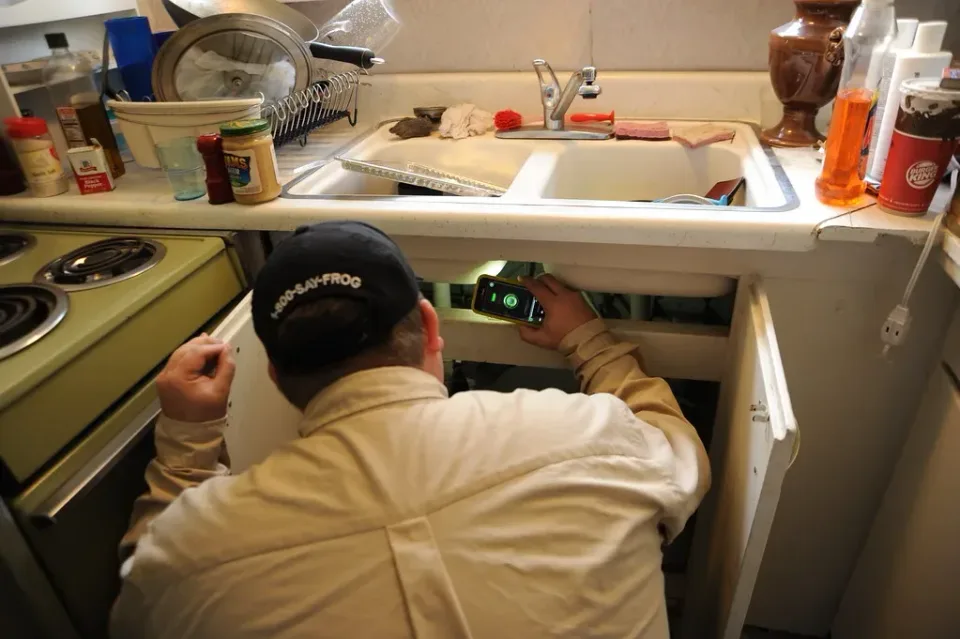
What Drives General Pest Control Costs in Connecticut?
A small interior pest issue and a building-wide infestation call for different amounts of work. We provide clear, itemized quotes so you can see what the proposed service covers.
An initial general pest service commonly ranges from $150–$350, with the infestation and home size affecting the scope. Quarterly service is often $75–$150; visit frequency and coverage shape that plan.
Rodent control may run $200–$600 depending on entry points and trapping needs, while termite treatment can range from $800–$2,500 based on structure size and method. Light-commercial service is commonly $150–$500, with facility size and pest pressure influencing the estimate.
A standard glue board is about 4 by 6 inches; its small footprint makes placement and interpretation important during inspection, but it is only one monitoring tool. Inspection frequency should adjust to pest pressure rather than follow a fixed schedule for every property.
Estimates vary; final quotes depend on treatment scope, infestation, property size, and site conditions. Contact us at (877) 729-2528 for a property-specific quote.

How We Follow Connecticut Pesticide Application Rules
Before a pesticide is applied, we check that the product and proposed use fit the work. The Federal Insecticide, Fungicide, and Rodenticide Act (FIFRA) makes the EPA pesticide product label central to lawful use; application directions and restrictions are not optional. That tells you what product is used and how the application must be handled.
Connecticut pesticide applicator certification and Connecticut General Statutes § 22a-54 govern state applicator requirements. Connecticut pesticide product registration is addressed under § 22a-61, so products used in the state must meet applicable registration requirements. The Connecticut Department of Energy and Environmental Protection is a key state resource for pesticide matters.
We explain the planned treatment and relevant precautions before work begins. The Connecticut Department of Consumer Protection also provides a route for consumer information about regulated services. Requirements depend on the application and setting, so we confirm the applicable rules rather than assume every pest job has the same permitting needs.
Why us
Why Choose Connecticut Pest Solutions
Connecticut homeowners get clear inspections and practical pest advice from a team rooted in the Hartford area.
Local Home Experience
Older homes, stone foundations, and changing conditions are familiar territory for the Hartford-based team. That local experience helps technicians look for likely pest entry points and explain what they find in plain language.
Clear Scope First
Technicians confirm pest activity, explain the recommended work, and agree on the scope before treatment begins. You can ask questions and understand what the plan addresses before the crew proceeds.
Practical Follow-Up
After service, technicians share prevention guidance and instructions for the treated area. They also ask customers to report new pest sightings between scheduled visits, helping the team respond to changes in activity.
Warning signs
Early Signs to Notice
Discarded Insect Wings
Discarded insect wings near a window or sill can signal activity worth checking. Note where they appear and whether new wings show up elsewhere; sharing those details can help a technician focus an inspection.
Small Droppings in the Garage
Small droppings in a garage can be an early clue of pest activity. Look around stored items and along wall edges without handling the material, and tell the technician which areas you have noticed.
Unusual Musty Odor
An unusual musty odor in a closed storage area may be a reason to look more closely for pest activity. Notice where the smell is strongest and whether you see other signs nearby.
Damaged Stored Packaging
Set aside the affected items, avoid disturbing suspected activity, and share the location with the technician during an inspection.
Through the year
Pest Service Through the Year
Spring
Spring rain can drive ants and rodents indoors, while freeze-thaw cycles may leave new foundation or masonry gaps. An inspection can help identify activity and likely entry points before indoor signs become more widespread.
Summer
Warm, humid weather supports mosquito and tick activity, and summer storms can interrupt outdoor inspections or treatment.
Fall
Leaf litter can shelter ticks and rodents, while cooler weather may push stink bugs indoors. An inspection can check for activity and likely entry points, with practical advice for reducing pest access around the home.
Winter
Cold inland temperatures, snow, and ice can limit exterior access, while heating can reveal gaps mice use to enter. An inspection helps assess accessible areas and identify practical steps suited to the property.
Ready to get started?
Call to talk through your job in Hartford, CT.
Featured Work & Projects
Browse our recent jobs and quality workmanship for customers across Hartford, CT.
Thermal Fogger — Pest Control
Hartford, CT
Pest Control Technician — Outdoor Service
Hartford, CT
Pest Control Technician — Residential Service
Hartford, CT
FAQ
General Pest Control FAQs in Hartford, CT
Straight answers for customers in Hartford, CT on pricing, delivery, and scheduling.
Are wasps active in Connecticut during fall, and should I disturb a nest?
Yes, wasps may remain active during fall, so do not knock down a nest or block its entrance without an assessment. Keep people away and note the nest location from a safe distance; we can assess access and discuss Wasp Nest Removal.
How can I prevent termites in Connecticut without treating the wrong pest?
Start by reducing damp conditions and keeping wood debris away from the structure, then arrange pest identification if you find suspicious evidence. Termite swarmers have four equal-length wings, but appearance alone is not a complete inspection; Connecticut Pest Solutions can assess what you found and discuss the appropriate next step.
How do pest control treatments work if activity comes back?
Treatment begins with identifying the pest and choosing an approach for the site; re-treatment may be considered when follow-up findings show continued activity. Inspection frequency should adjust to pest pressure, so share the dates and locations of new sightings when arranging a follow-up.
What should I have ready before asking for pest control in Hartford?
Have the property address, pest sightings, affected rooms, and any access limits ready so we can scope the inspection accurately.
Can General Pest Control and Ant Control be discussed together?
Yes, we can assess a broader pest concern alongside an ant trail if both are reported before the visit. Describe where and when each issue appears so the inspection can distinguish separate activity and determine whether the work should be handled together.
Local Leadership
Meet Your Local Experts
Daniel Mercer Lead Expert
Connecticut Pest Solutions
"Practical Pest Control Across Connecticut"
I built my pest-control experience in the Hartford area, where older homes, stone foundations, and changing seasons bring a steady mix of ant and rodent problems. I started this company to give Connecticut homeowners clear inspections, careful treatment plans, and straightforward advice about keeping pests out.
8+ years experience Connecticut pesticide applicator licensing General liability insurance National Pest Management Association membership
Get a Quote
Get a General Pest Control Quote in Hartford, CT
Share job details below or call our team directly. Phone: (877) 729-2528
Cities & Towns
Service Areas in Hartford
Select a city to find local general pest control providers we cover in Hartford.
Bridgeport, CT06605Meriden, CT06450Milford city, CT06461Middletown, CT06457Shelton, CT6484Torrington, CT6790Ansonia, CT6401Willimantic, CT06256Oakville, CT06779Thompsonville, CT6082Glastonbury Center, CT6033Southwood Acres, CT6082Rockville, CT6066New Canaan, CT6840Cheshire Village, CT06410Sherwood Manor, CT06082Pawcatuck, CT6379Byram, CT6830Lordship, CT6615Collinsville, CT6019Compo, CT06880Niantic, CT6357Jewett City, CT6351Coleytown, CT6880